
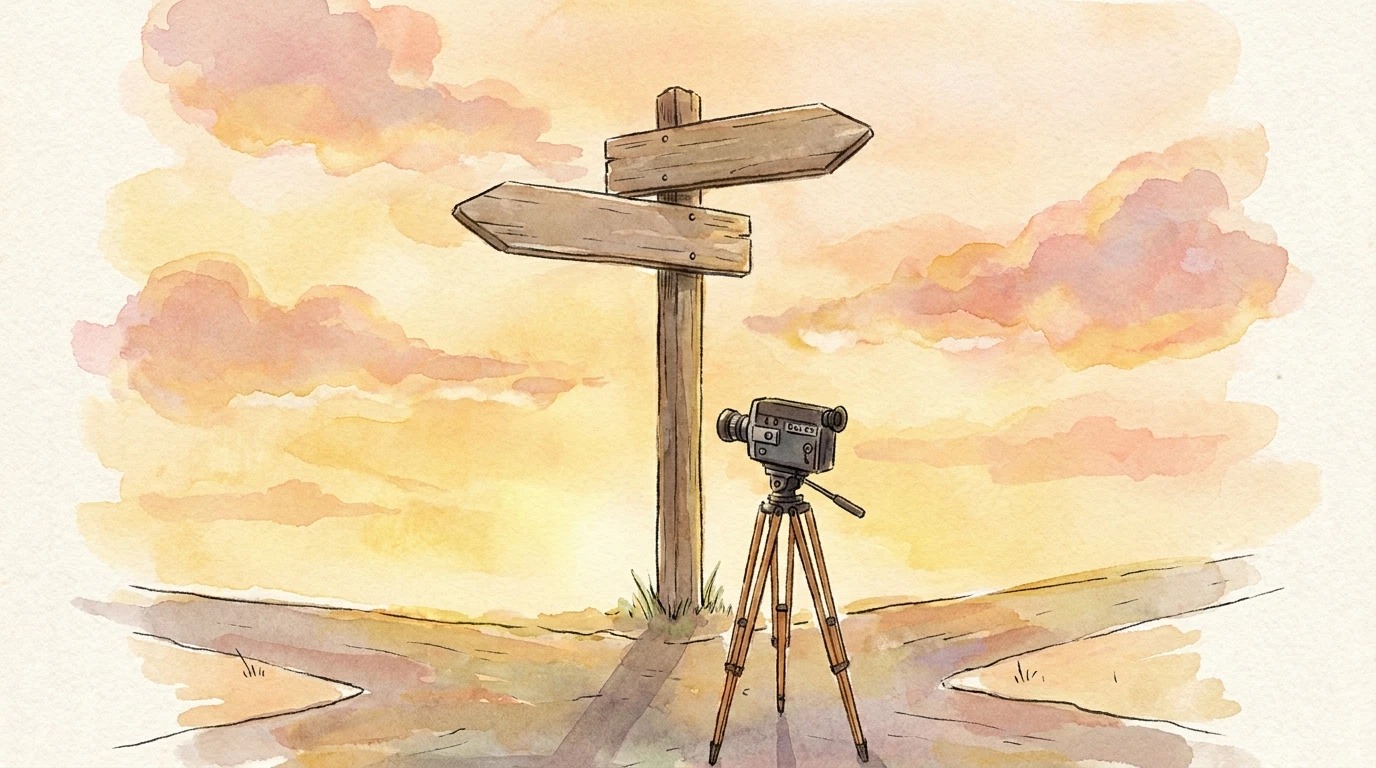
Sooner or later, almost every creator considers changing their channel's topic. Views are dropping, the old niche feels stale, or a new idea has sparked. The only fear is losing the audience you've spent years building. In September 2026, two YouTube employees weighed in on the subject: Rene Ritchie, the platform's Creator Liaison, and Kyle Monahan, YouTube's Head of Global Content Strategy. We've compiled their advice into a step-by-step plan.
Step 1. Figure out why you're changing your topic
Monahan suggests starting with an honest answer to the question: are your viewers no longer interested in what you're doing, or are you no longer interested?
Everything else depends on the answer:
- If your audience has left, changing your topic is a way to find new viewers. The key here is to understand where they went and what they're watching now.
- If you've lost interest, you can't just force yourself to continue—viewers can feel it. But you don't necessarily have to make a drastic change overnight.
Step 2. Understand why people come to you
According to Ritchie, it's hard for creators to know how many viewers come for them personally versus for the topic.
Your audience usually splits into two types:
- Loyal viewers who watch you no matter what you talk about. They will follow you to a new topic.
- Topic-driven viewers who came for specific content. If the topic changes, they'll simply find another channel.
The more you have of the first type, the safer the transition.
Where to check this in practice:
- Comments. Do people write about you and your delivery, or only about the subject of the video?
- YouTube Studio → Analytics → Audience. Check the ratio of returning to new viewers: the more returning viewers you have, the more people are coming specifically for you.
- The cards that show what other channels and videos your audience watches, in the same section. They reveal your viewers' other interests—a ready-made hint for where you could pivot to keep them with you.
Step 3. Identify what makes you unique
Monahan points out that your delivery—your voice, personality, tone, and storytelling style—is often more important than the topic itself. This is what you take with you to your new niche.
Write down what people praise you for in the comments. If it's "you explain things so well" or "your delivery is hilarious," these strengths will work in another topic, too.
Step 4. Plan the transition
Monahan's advice: first, answer three questions for yourself—what do I want to achieve, what's my current situation, and what path will I take? YouTube has a separate guide with a list of questions for creators changing their channel's direction.
In practice, the transition is usually smoother if:
- the new topic is related to the old one, rather than a jump into a completely different field;
- you explain to your viewers in advance what's changing and why;
- the first videos in the new topic maintain your usual delivery and format;
- you first test the new topic in a few Shorts and check the reaction before fully pivoting your main channel.
Step 5. Choose a niche, not a trend
The biggest mistake is jumping into the most popular topic. Monahan advises the opposite: if you enter a less crowded niche and offer something new with your unique delivery, you can get huge views.
Step 6. Scope out the competition
Before choosing a new topic, assess how many creators are already there. A small but underserved audience with few competitors is often more profitable than an oversaturated niche where thousands of channels are fighting for attention.
You can quickly size up a niche by searching on YouTube and TikTok: see how many new videos on the topic are being published and which ones are taking off for smaller creators. If videos from channels with a couple of thousand subscribers are getting tens of thousands of views, there's demand, but the competition isn't dense yet. Tools like HubRadar can help you find such videos.
A Quick Checklist
- Why am I changing my topic: have my viewers left, or have I lost interest?
- Who are my viewers: are they here for me or for the topic?
- What's unique about me that will carry over to the new topic?
- What's my transition plan? Is it a series of steps, not a sudden leap?
- Am I choosing a niche where I can stand out, or just chasing a popular trend?
- Have I researched the competition?
Frequently Asked Questions
Will I lose subscribers if I change my channel's topic?
You will likely lose some. Viewers who came for the topic will leave. Those who watch you for your delivery will stay. You can estimate the ratio by looking at your comments and the percentage of returning viewers in YouTube Studio.
Should I just start a new channel?
In this discussion, the YouTube employees don't give that advice. The decision depends on Step 2: if your audience came for you, it's better to change the topic on your existing channel. If they came for the topic, a new channel might be a more honest approach.
How do I know if the new topic will stick?
Test it out in a few Shorts before making a full transition and compare the watch time and new subscribers with your usual videos.
Changing your topic isn't starting from scratch. If people follow you for you, you're taking the most important part with you. And if you don't know what to film in your new niche, we have an article on “Where to Get Ideas for Videos”.