
How I Tell What's Working From What's Not—Without Drowning in Analytics
I'm back with the follow-up I promised. Last time, I shared where I get my ideas; now, let's talk about what happens after I publish. Spoiler alert: I don't use any complex analytics. It's all much simpler than it looks.
Why did I even start tracking this?
At first, I would just post videos and not look back. Film, forget, film the next one. The problem was that I kept making the same mistakes without even realizing it. Once I started doing even a little analysis, it became clear where I was getting in my own way.
The three simple questions I ask myself
Nothing fancy. I just look at each video through the lens of three questions:
- Did they watch to the end or drop off halfway through? If people are leaving early, the problem is almost always the intro—it takes too long to get to the point, or it's not clear what the video is even about.
- Did they rewatch it or just scroll past? Videos that get rewatched are usually either useful or emotionally resonant. Coincidence? I think not.
- Was it similar to a previous hit, or was it something new? This helps me understand what actually made it pop—the format, the topic, or if I just got lucky with the timing.
What I've noticed over time
- The intro is everything. The first few seconds either hook the viewer or lose them. I've started re-editing my intros more than any other part of the video.
- Personal stories land better than generic advice. Videos where I speak from my own experience, not just rehash someone else's tips, consistently get more watch time.
- Not everything I like resonates with my audience. I've had to accept that sometimes a video I personally love goes almost unnoticed, while one I thought was just okay suddenly takes off.
- It's more about chance than formulas. I stopped searching for a "perfect formula for success"—it doesn't exist. There's a general direction you can follow, but no guarantees.
What I intentionally don't do
- I don't chase numbers every day. I check in every few days; otherwise, I risk getting sucked into anxiously staring at my stats.
- I don't compare my channel to others. They might have a different audience, be more established, or have different resources—it's almost never a fair comparison.
- I don't rework a video just because of one bad metric. I look at the trend across several posts instead of panicking over a single off day.
What this looks like in practice
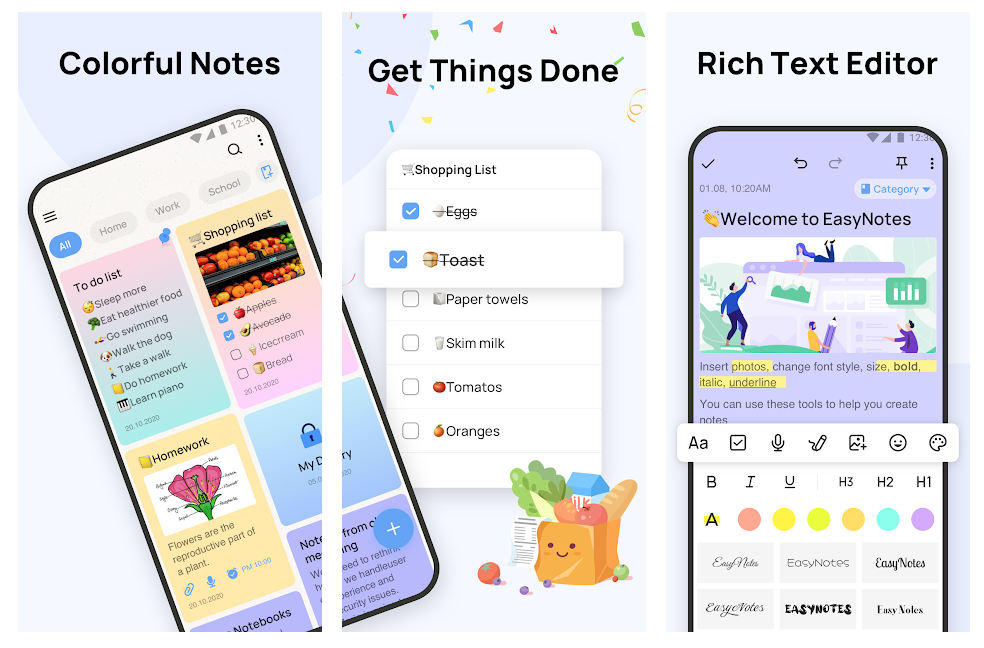
Once a week, I sit down and briefly ask myself: What performed best this week and why? What performed worst and why? I jot down a couple of sentences in the same note where I keep my ideas. After a couple of months, this turns into a pretty solid personal playbook, written by me, for me.
The honest limits of this approach
This isn't a scientific method; it's more of a personal observation, so I can't claim it's perfectly accurate. I don't have access to complex analytics, and I'm not suggesting my way is the only right way. But it works for me, and maybe it can serve as a useful starting point for some of you—not a ready-made recipe.
A question for you:
Do you analyze what you create—whether it's content, school projects, or something else? Or do you tend to act on intuition, without looking back? What on my list resonated with you, and what seemed unnecessary?