
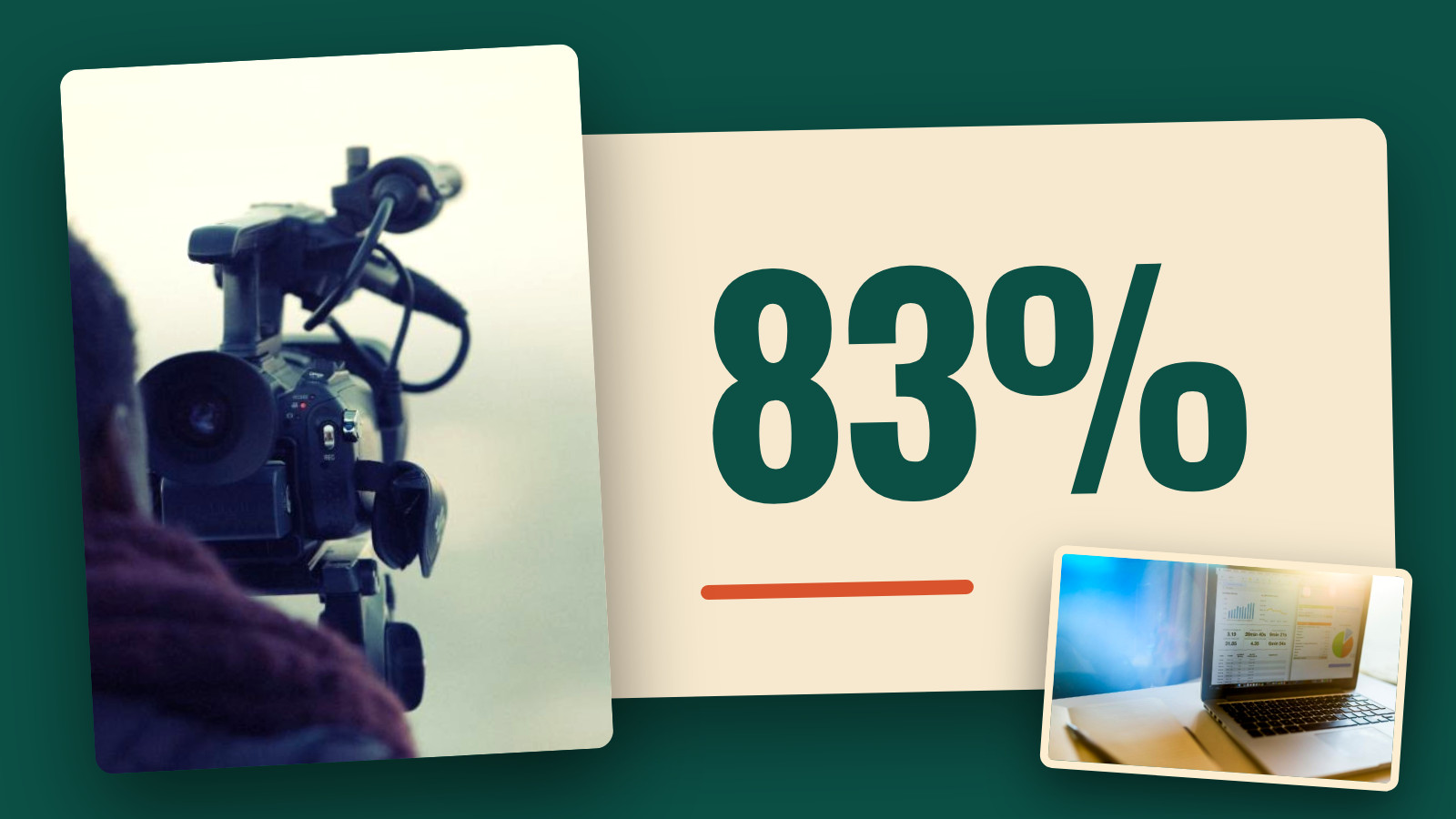
YouTube says its creator economy added €8.4 billion to the EU's GDP and supported more than 220,000 full-time equivalent jobs in 2025. The number that matters more to anyone who posts video sits further down the same report: 83% of surveyed creators credit the recommendation algorithm for their growth, and 71% say a drop in visibility would hit their income directly.
What the report is
The report is called "Creative Capital". It went out on 12 October 2026, timed to the opening of MIPCOM, the TV market in Cannes. Oxford Economics did the economic modelling; the survey side came from YouTube itself, with responses from more than 20,000 creators across all 27 EU member states. This is the second year running that the platform has brought its European impact numbers to a room full of broadcasters and producers.
The money and the jobs
| Measure | Previous report | New report |
|---|---|---|
| Contribution to EU GDP | €7B | €8.4B |
| Full-time equivalent jobs | 200,000 | 220,000+ |
One caveat worth keeping in mind: "contribution to GDP" is not money paid out to creators. It bundles creator earnings, the freelancers and services they hire, and the spending of everyone in that chain. It tells you nothing about what a single channel takes home.
For scale, Tubefilter notes TikTok's European figure at €2.6 billion and 52,000 jobs.
What creators actually said
The survey half of the report is the more useful half, because it describes working conditions rather than headline economics.
| Creator response | Share |
|---|---|
| Recommendation algorithms matter for channel growth | 83% |
| A drop in visibility would directly threaten income | 71% |
| Little or no support from government | 63% |
| Need more support from the traditional industry | 64% |
| No access to public grants | 65% |
| Professionals with no access to studio space | 65% |
| Not enough training and skills support | 60% |
There is also an export number: more than 70% of watch time on content from EU27 channels comes from outside the region. A creator in Lisbon or Warsaw is, in practice, running an export business.
Why this report, and why now
It did not land in a vacuum. Europe is in the middle of a fight over prominence — the idea that platforms should be required to push public service broadcasters higher in search, feeds and recommendations.
In the UK, the Department for Culture, Media and Sport published a green paper, "Watch this space", on 23 June 2026; the consultation closed on 31 August 2026. Ministers say their preference is a voluntary deal rather than legislation, and no law has been written. The number driving the argument comes from Ofcom: only around 20% of what people in the UK watch on YouTube is made in the UK.
YouTube's answer in the report is blunt — rigid prominence mandates would force the platform to give special treatment to particular publishers and break a merit-based system. Its five asks of European policymakers:
- count creators as an industry in official statistics;
- open a dedicated strand for them inside the Creative Europe programme;
- invest in training and the creative skills pipeline;
- make small-business loans reachable for creators;
- protect merit-based discovery instead of mandating prominence.
The platform is defending its own business here, and that is worth saying out loud: deciding what gets recommended is the business. But the 71% figure came from creators, and it is about them, not about the platform.
What a creator should take from this
Strip away the Brussels politics and one line is left: if your income rides on one recommendation feed, you do not control your income.
The feed changes for reasons that have nothing to do with your work — monetisation rules shift, one format gets pushed ahead of another, a regulator demands that someone else's video come first. We covered the platform-side version of that in our piece on what Made on YouTube 2026 changes for Shorts monetisation. The prominence debate adds an outside source of the same risk.
Practical steps
- Work out what share of your income comes from one platform. Above half is a risk profile, not stability.
- Run the same material across several surfaces. Shorts, Reels and TikTok absorb the same vertical cut; one feed cooling off then does not erase the month.
- Build an audience you can reach without an algorithm. A newsletter, a Discord, a Telegram channel — those viewers stay when ranking rules change.
- Take paid-per-view work alongside ad revenue. A fixed rate per 1,000 views prices your work even in a week when organic reach drops.
- Watch traffic sources in analytics, not just revenue. Referrals fall before money does, and AI answers now absorb part of that traffic — see our piece on how AI assistants cite YouTube in shopping answers.
- Do not stake everything on one channel. A second channel, a second language or a second format is a spare route to viewers, not a distraction.
What is still unclear
- How the GDP figure was built. The full Oxford Economics methodology is not published.
- How many of those 20,000 creators do this full time. The published numbers do not break that out.
- Whether the EU or the UK will actually mandate prominence. Neither has decided.
- What any such rule would mean for creators outside the EU whose audience sits inside it.
FAQ
How much is YouTube worth to the European economy?
€8.4 billion in EU GDP for 2025 and more than 220,000 full-time equivalent jobs, according to Oxford Economics in the report published on 12 October 2026.
Do 83% of creators really depend on the recommendation algorithm?
That is what respondents told YouTube's survey of more than 20,000 creators across the EU27: 83% said recommendations matter for growth, and 71% said falling visibility would hit their income directly.
What is prominence and why do broadcasters want it?
It is a requirement that platforms rank designated public service content higher in search and recommendations. Broadcasters have lost younger audiences to video platforms and want regulation to put them back in front of those viewers.
Will this change the recommendations I see?
Not today. Nothing has been mandated in the EU or the UK. If a rule does pass, it would apply in those markets rather than worldwide.
How do I stop depending on one algorithm?
Spread the income: several platforms, a direct audience you own, and paid work with a known rate per 1,000 views rather than organic reach alone.
Related reading
- Made on YouTube 2026: what changes for Shorts and monetisation
- AI assistants are citing YouTube in shopping answers: what it means for creators
- YouTube is cutting reach for re-uploads in Shorts: how clippers adapt
The simplest hedge against a single feed is work with a price attached to it. On Prime Oracles a brand posts a task through "Create campaign", a creator opens "Content rewards", hits "Take to work" and sees up front what 1,000 views will pay.